Choosing between wet wall panels and bathroom tiling is one of the biggest decisions during a bathroom renovation. Both options can work well, but they suit different priorities.
Wet wall panels are usually quicker to install and easier to maintain. Bathroom tiling offers more flexibility in terms of design, finish and layout, especially in wet rooms.
The right choice depends on how the bathroom will be used, how much maintenance you want, and the type of finish you are aiming for long-term.
The Simple Difference Between Wet Wall And Tiling
If you want a low-maintenance and practical bathroom finish, wet wall panels are often the better option.
If you want more design flexibility and a more bespoke look, bathroom tiling is usually the stronger choice.
For wet rooms, tiles are often preferred because they work better with floor drainage, tanking systems and more detailed layouts.
It is also worth thinking about the long-term feel of the room. Bathrooms are used every day, so practicality matters just as much as appearance. A finish that looks impressive initially but becomes difficult to maintain can quickly become frustrating.
What Are Wet Wall Panels?
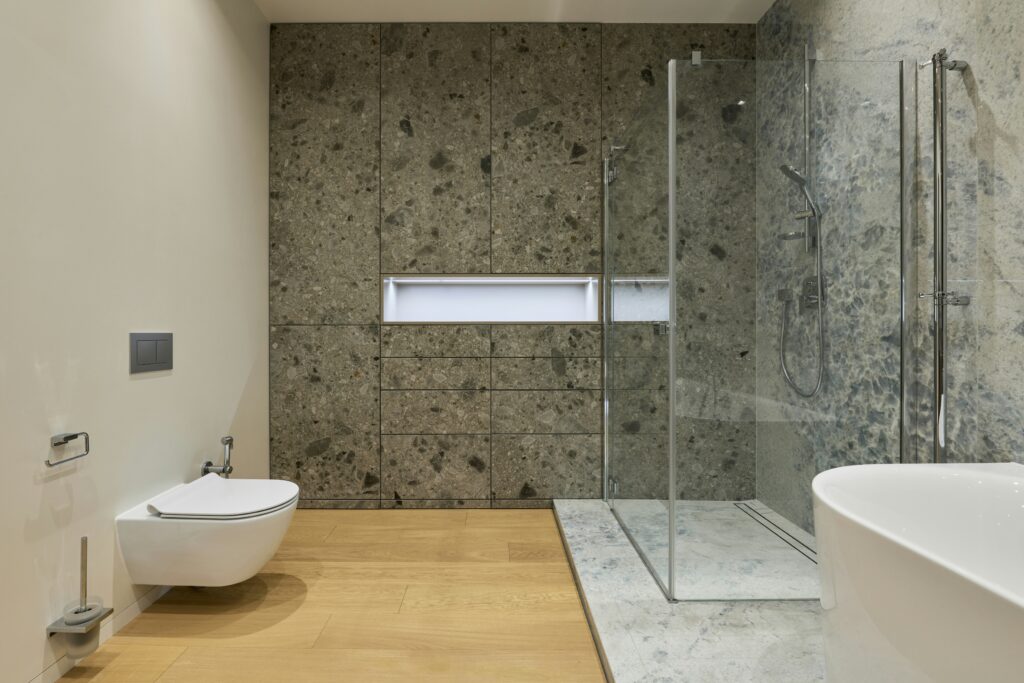
Wet wall panels are waterproof wall boards designed for bathrooms and shower areas.
They are fitted in large sections rather than individual pieces, which means there are fewer joins and almost no grout lines.
Wet wall panels are commonly used in:
- Shower enclosures
- Family bathrooms
- Utility bathrooms
- Rental properties
- Quick bathroom refurbishments
One of the biggest reasons people choose wet wall is ease of cleaning. With fewer grout lines, there is less chance of mould or discolouration building up over time.
Modern panels are also available in a much wider range of finishes than they once were, including stone, marble and textured effects.
What Is Bathroom Tiling?
Bathroom tiling uses ceramic, porcelain or stone tiles fixed individually to the wall or floor.
Tiles remain popular because they offer far more design choice. They come in different:
- Colours
- Sizes
- Patterns
- Textures
- Layout styles
Bathroom tiling is commonly used for:
- Full bathroom walls
- Wet rooms
- Feature walls
- Shower areas
- Bathroom floors
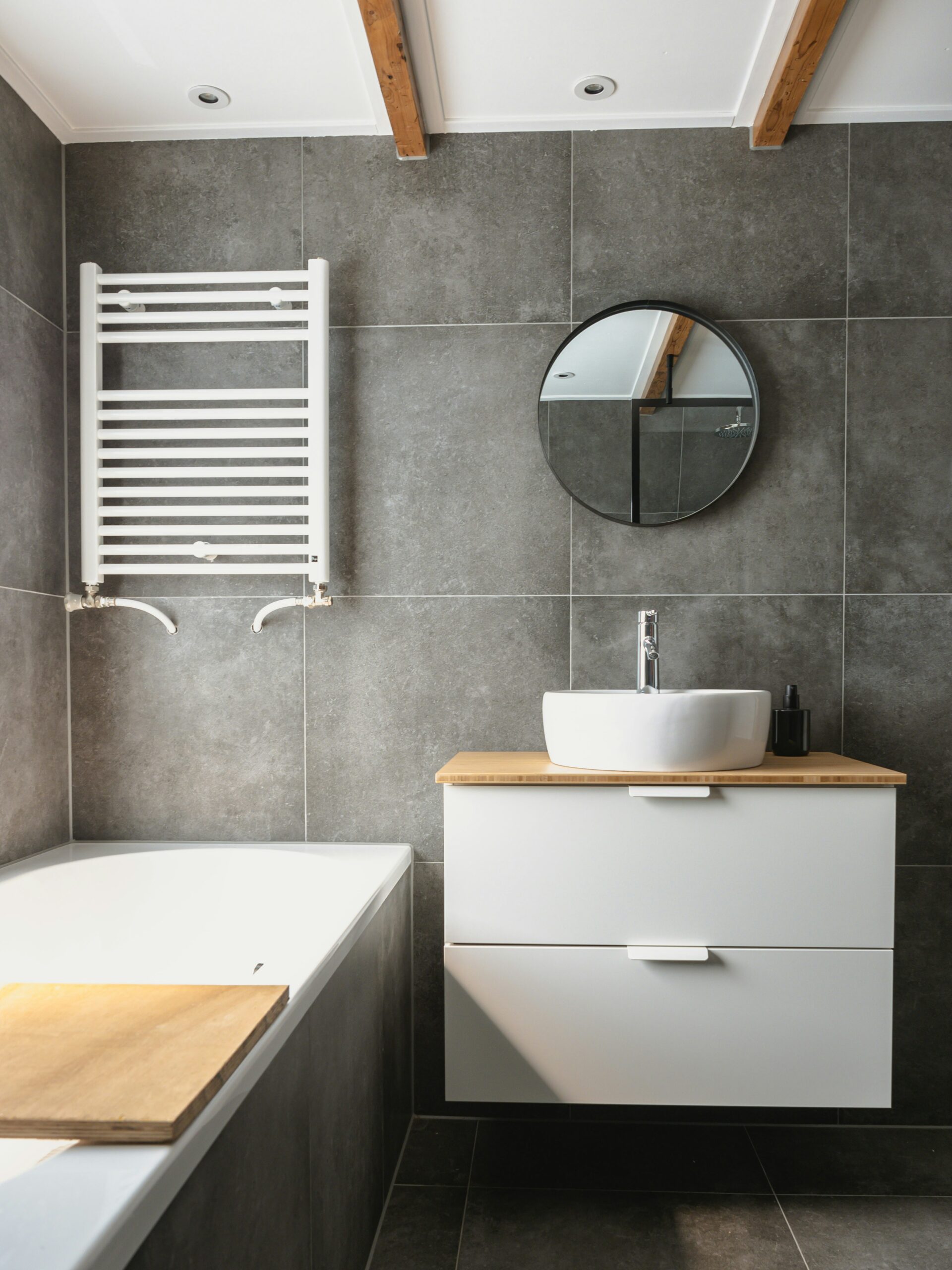
Tiles can create a more premium or tailored finish, especially in bathrooms where appearance matters just as much as practicality.
Smaller tiles are also useful in awkward spaces or rooms with more detailed layouts because they can be shaped more easily around corners, slopes and drainage points.
Wet Wall Vs Tiling: Which Is Easier To Maintain?
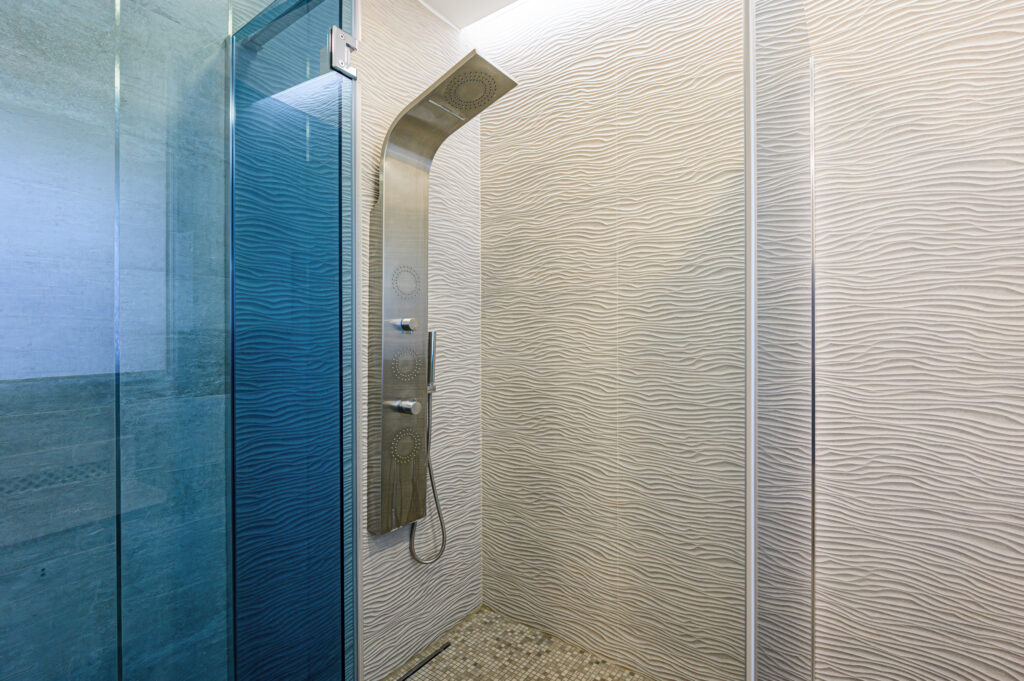
Wet wall panels are usually easier to maintain day to day.
Because there are very few joins, cleaning is straightforward and there is less grout to keep on top of.
Tiles are still practical, but grout lines need more regular cleaning, especially in bathrooms with poor ventilation.
For busy family bathrooms, wet wall panels are often chosen simply because they reduce maintenance.
That said, high-quality tiling installed properly can still last for many years without issues if the bathroom is ventilated and maintained correctly.
Which Option Looks Better?
This mostly comes down to personal preference.
Wet wall panels create a clean, modern and consistent finish. They work particularly well in simple, contemporary bathrooms.
Bathroom tiling gives more flexibility and detail.
Tiles can help create:
- Feature walls
- Decorative patterns
- Textured finishes
- Premium shower spaces
- More traditional bathroom styles
In many high-end bathroom renovations, tiling still tends to feel more bespoke.
What Works Best For Wet Rooms?
For full wet rooms, bathroom tiling is often the better choice.
Wet rooms usually involve:
- Sloped floors
- Floor drainage
- Tanking systems
- Waterproof floor-to-wall joins
Tiles are easier to work around these details and allow more flexibility in the layout.
Wet wall panels can still work well in shower enclosures or standard bathrooms, but full wet rooms generally benefit from a tiled system.
Which Option Costs More?
The cost depends on the materials, the room layout and the level of preparation required.
Wet wall panels can sometimes reduce labour costs because they install more quickly.
Bathroom tiling may cost more when:
- Premium tiles are chosen
- Large areas are tiled
- Complex layouts are involved
- Wet room waterproofing is required
However, there is no universal answer. A simple tiled bathroom may cost less than a premium wet wall system.
The condition of the walls and the complexity of the room usually make a bigger difference than the finish itself.
Common Mistakes People Make When Choosing Bathroom Wall Finishes
One of the biggest mistakes is choosing purely based on appearance.
Before deciding, it helps to think about:
- How often the bathroom will be used
- Who will use the space
- How much cleaning you want to do
- Whether the room has good ventilation
- Whether you are creating a wet room
- How long you plan to stay in the property
A bathroom needs to work properly long term, not just look good immediately after installation.
Can You Use Both Wet Wall And Tiles Together?
Yes, and this is becoming increasingly common.
Many bathrooms combine both finishes to balance practicality and appearance.
For example:
- Wet wall panels inside the shower enclosure
- Tiled flooring throughout the room
- Feature tiled areas around vanity units or baths
This approach can help reduce maintenance while still creating a more detailed overall finish.
One of the biggest mistakes is choosing purely based on appearance.
Before deciding, it helps to think about:
- How often the bathroom will be used
- Who will use the space
- How much cleaning you want to do
- Whether the room has good ventilation
- Whether you are creating a wet room
- How long you plan to stay in the property
A bathroom needs to work properly long term, not just look good immediately after installation.
Why Proper Installation Matters More Than The Material
Whether you choose wet wall panels or bathroom tiling, the installation quality matters most.
Problems usually happen because of:
- Poor waterproofing
- Weak sealing
- Bad ventilation
- Incorrect preparation
- Uneven surfaces
- Poor drainage planning
This is especially important in wet rooms where water exposure is constant.
A properly planned bathroom should feel durable, practical and easy to live with long after the renovation is complete.
Frequently Asked Questions About Wet Wall And Bathroom Tiling
Are Wet Wall Panels Waterproof?
Yes. Wet wall panels are designed for wet environments, but they still need correct sealing and installation around edges and joints.
Is Bathroom Tiling Better For Wet Rooms?
In most cases, yes. Tiles usually provide more flexibility for wet room drainage and waterproofing systems.
Do Wet Wall Panels Look Cheaper Than Tiles?
Not always. Modern wet wall systems can look very clean and contemporary, although tiles often provide a more bespoke finish.
Which Is Easier To Clean?
Wet wall panels are generally easier to clean because they have fewer grout lines.
Can Wet Wall Panels Be Installed Over Existing Tiles?
Sometimes, yes, depending on the condition of the existing surface and whether it is suitable for fixing.
Planning A Bathroom Renovation?
Choosing between wet wall and bathroom tiling is really about balancing practicality, appearance and long-term maintenance.
Both options can work well when properly installed.
If you are planning a bathroom renovation or wet room and want advice on what would suit your space best, you can explore previous projects here: