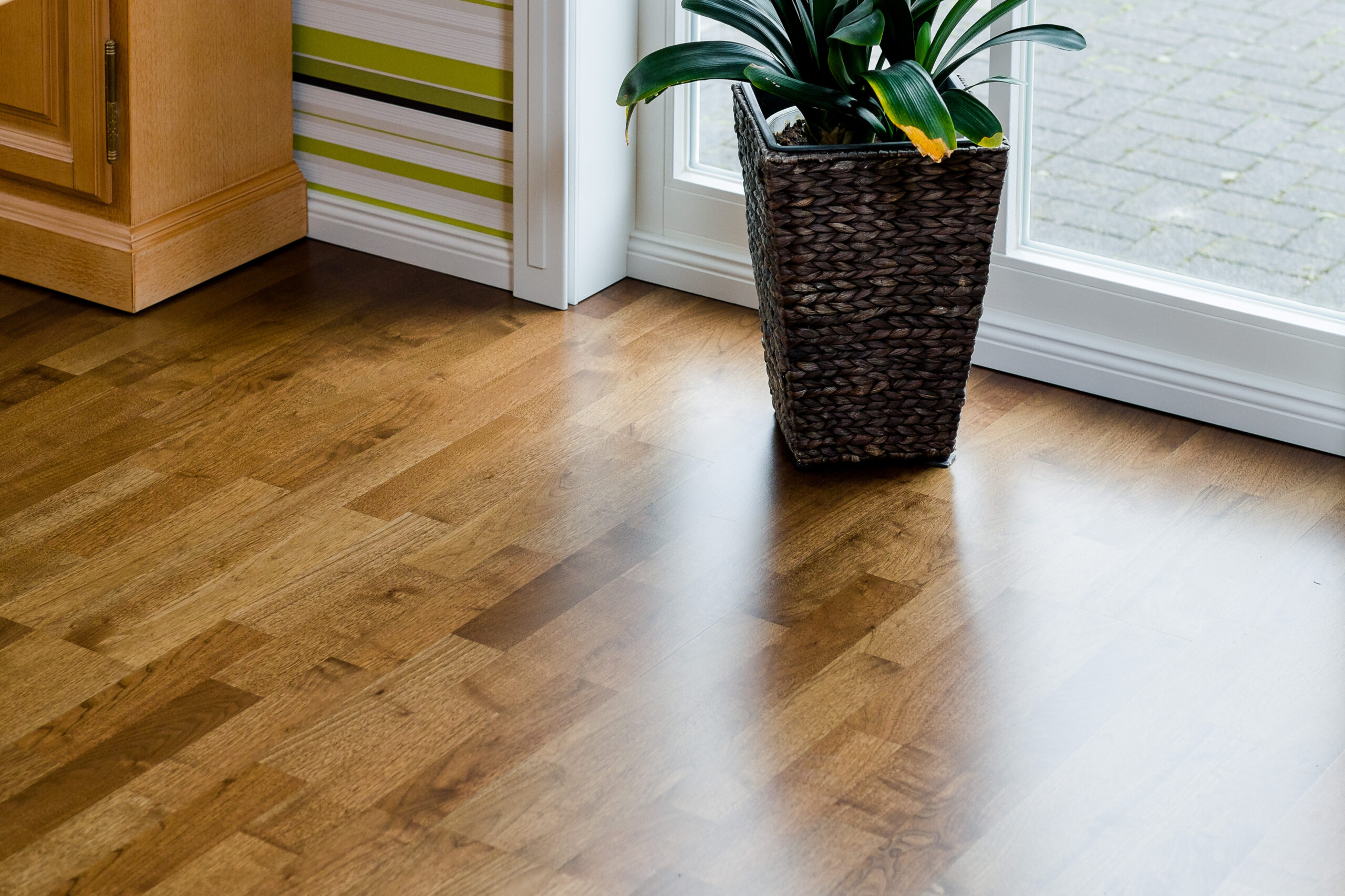
Choosing new flooring can completely change the look and feel of your home, but deciding between laminate and engineered wood flooring isn’t always straightforward. Both offer attractive finishes, long-lasting performance and a wide range of styles, yet they suit different homes, budgets and lifestyles.
If you’re comparing laminate vs engineered wood flooring, the best option depends on how the room is used, your maintenance expectations and the finish you’re looking to achieve. This guide explains the key differences, where each performs best and what to consider before making your decision.
Which Flooring Option Is Best for Most Homes?
There isn’t a single winner.
Laminate flooring is often the better choice if you want a durable, cost-effective floor that copes well with busy family life and requires very little maintenance.
Engineered wood flooring is ideal if you want the appearance and feel of real timber, with greater stability than solid wood flooring and the potential for a longer lifespan when properly cared for.
Understanding how each performs in everyday situations will help you choose the flooring that’s right for your home rather than simply following current trends.
What Is Laminate Flooring?
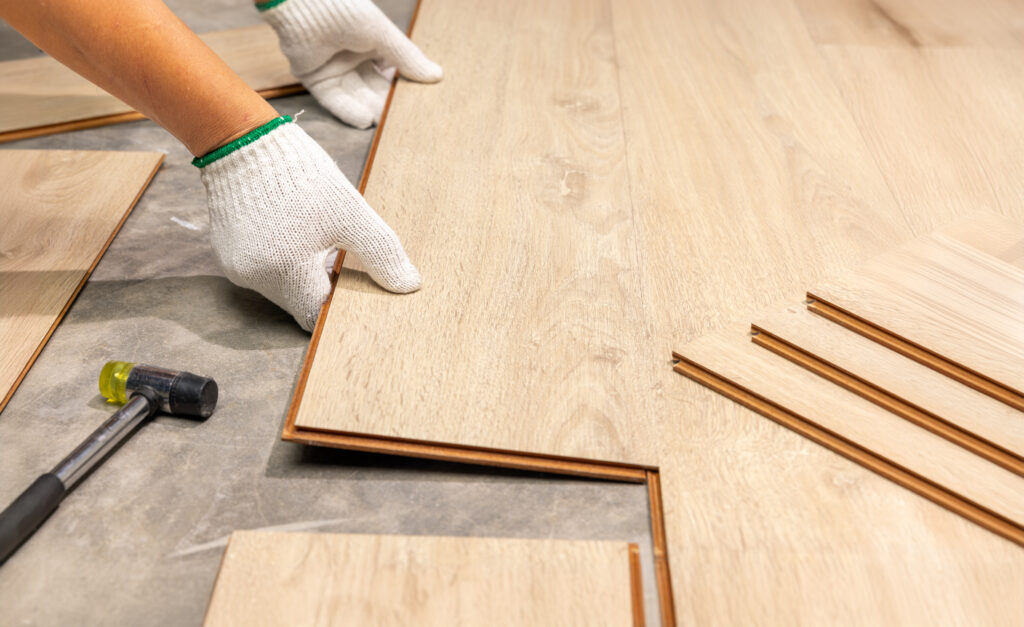
Laminate flooring is made from several compressed layers with a decorative photographic layer that recreates the appearance of wood, stone or other materials. A tough protective coating sits on top, helping to resist scratches and everyday wear.
Modern laminate has improved considerably in recent years, with many products offering realistic wood textures and finishes that are difficult to distinguish from natural timber at first glance.
It is popular because it is:
- Durable
- Easy to maintain
- Available in a wide range of styles
- Generally straightforward to install
- Suitable for many family homes
What Is Engineered Wood Flooring?
Engineered wood flooring has a real hardwood surface bonded to multiple layers beneath. This construction provides greater stability than solid timber while retaining the natural appearance and character of genuine wood.
Unlike laminate, the top layer is real timber, meaning every board has unique grain patterns and natural variation.
Depending on the thickness of the hardwood layer, some engineered flooring can also be lightly sanded and refinished during its lifetime.
Laminate vs Engineered Wood Flooring: The Main Differences
Although both products can look similar, they perform differently.
Appearance
Engineered wood offers the authentic texture, grain and warmth of natural timber.
Laminate has become increasingly realistic, but it still uses a printed decorative layer rather than genuine wood.
Durability
Laminate is highly resistant to scratches and everyday wear, making it well suited to busy households with children or pets.
Engineered wood is durable too, but because it has a genuine timber surface, it may show dents or scratches more easily depending on the wood species and finish.
Moisture Resistance
Neither flooring should be left exposed to standing water.
However, many modern laminate products include improved moisture resistance, while engineered wood generally copes better with changes in temperature and humidity than traditional solid wood flooring.
Always follow the manufacturer’s installation and maintenance guidance for the product you choose.
Maintenance
Both flooring types are relatively easy to maintain.
Regular vacuuming or sweeping, together with occasional cleaning using suitable products, will usually keep them looking their best.
Avoid excessive water and harsh cleaning chemicals, as these can damage the floor over time.
Which Flooring Is Better for Different Rooms?
The best flooring often depends on where it will be installed.
Living Rooms
Both options work well.
If you’re looking for a premium finish with natural character, engineered wood is often preferred. If durability and practicality are your priorities, laminate is an excellent choice.
Bedrooms
Both flooring types create a warm, comfortable appearance.
Engineered wood offers a more traditional feel, while laminate provides a practical solution that’s easy to maintain.
Kitchens
Kitchens experience heavy foot traffic, spills and frequent cleaning.
Many homeowners choose modern moisture-resistant laminate for these conditions, although engineered wood can also work well when installed correctly and cared for appropriately.
Choosing the best flooring for kitchens often comes down to balancing appearance, maintenance and how the space is used every day.
What About Family Homes?
For many family homes, practicality matters just as much as appearance.
Laminate flooring performs particularly well where there are:
- Children
- Pets
- Heavy daily foot traffic
- Frequent cleaning
- Busy household routines
Engineered wood remains an excellent option if you want the character of real timber and are prepared to carry out a little more ongoing care.
Neither choice is universally better. The right decision depends on how your household uses each room.
How Long Does Each Flooring Type Last?
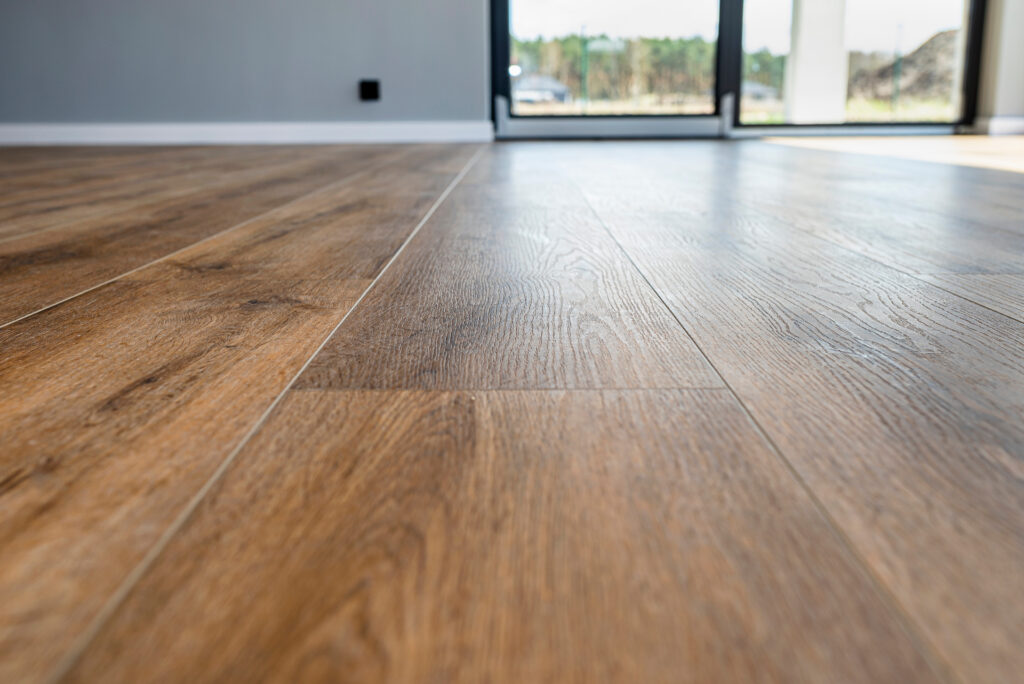
The lifespan of flooring depends on the product quality, installation and ongoing maintenance.
Well-installed laminate flooring can provide many years of reliable performance with minimal upkeep.
Engineered wood flooring can also last for decades, particularly if the wear layer allows refinishing during its lifetime.
Correct installation plays an important role in both appearance and longevity. Poor preparation of the subfloor can affect the finished result regardless of which material you choose.
Should You Install Flooring Yourself?
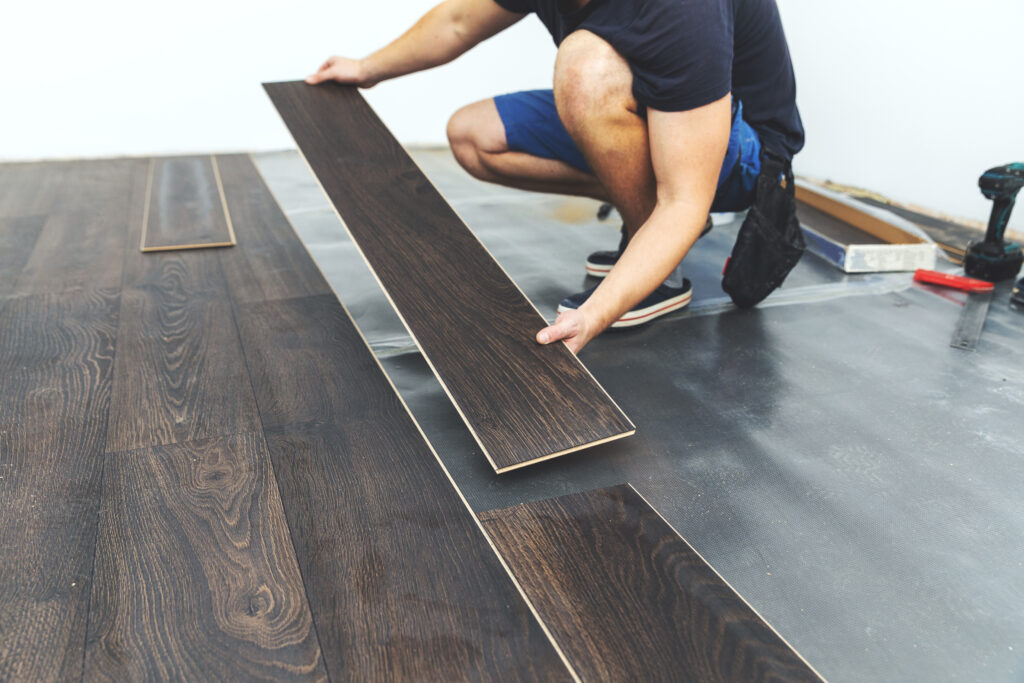
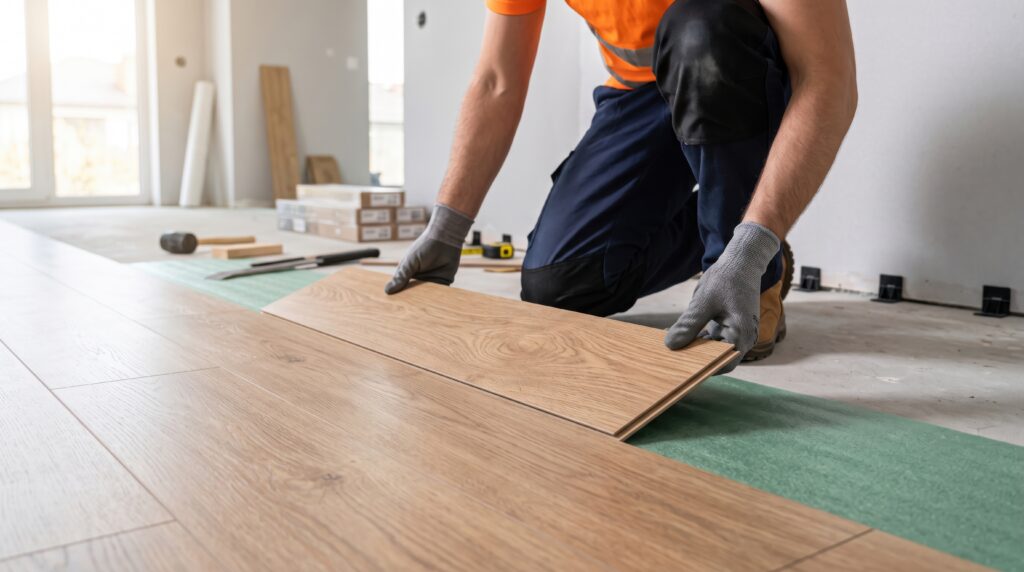
Many laminate products are designed with click-fit systems that make DIY installation possible for confident homeowners.
However, achieving a professional finish still requires:
- A level subfloor
- Accurate measurements
- Correct expansion gaps
- Careful cutting around doorways and edges
- Appropriate underlay
Engineered wood flooring generally requires greater precision due to the value of the material and the need to protect the natural timber finish.
For larger areas or flooring that forms part of a wider renovation, professional installation can help ensure a consistent, long-lasting result.
How to Decide Between Laminate and Engineered Wood
Ask yourself a few simple questions:
- How busy is the room?
- Do you have children or pets?
- Is moisture likely to be an issue?
- Do you want the appearance of real timber?
- How much maintenance are you happy to carry out?
- Is this part of a wider renovation project?
Answering these questions usually makes the right option much clearer.
If you’re still unsure, discussing your plans during a pre-job assessment can help identify which flooring best suits your property, lifestyle and renovation goals.
Frequently Asked Questions
Is Engineered Wood Better Than Laminate Flooring?
Not necessarily. Engineered wood provides the look and feel of real timber, while laminate is often more resistant to everyday wear and requires very little maintenance. The better choice depends on your priorities.
Which Flooring Is Easier to Maintain?
Laminate flooring generally requires less maintenance because its protective surface resists scratches and stains well. Both flooring types should be cleaned using suitable products and without excessive water.
Is Laminate Flooring Suitable for Kitchens?
Many modern laminate products are designed with improved moisture resistance, making them suitable for kitchens when installed correctly and maintained properly.
Can Engineered Wood Flooring Be Refinished?
Some engineered wood flooring can be lightly sanded and refinished, depending on the thickness of its hardwood wear layer. Always check the manufacturer’s guidance.
Should Flooring Be Installed Before or After a Kitchen?
This depends on the project and the type of kitchen being installed. Discussing the order of work before installation helps ensure the best finish and avoids unnecessary adjustments later.
Choosing Flooring With Confidence
Both laminate and engineered wood flooring have clear advantages, and neither is the right choice for every home. By considering durability, maintenance, appearance and how the room will be used, you’ll be in a much stronger position to choose flooring that works for years to come.