

Hiring the right joiner can make the difference between a well-managed home improvement project and one affected by delays, unclear costs or avoidable problems. Before agreeing to any work, ask about the joiner’s relevant experience, what the quotation includes, how the project will be managed and what happens if unexpected issues arise.
The best questions do more than confirm whether someone can complete the work. They help you understand how the joiner plans, communicates and deals with practical challenges. This guide provides a useful local joiner checklist for anyone planning a kitchen renovation, fitted wardrobe installation, conversion or general joinery project.
The Most Important Questions to Ask a Joiner
Before hiring a joiner, ask:
- Have you completed similar projects before?
- Can I see examples of relevant work?
- What exactly is included in the quotation?
- Will materials, preparation and waste removal be included?
- Who will arrange other trades?
- How long should the project take?
- How will additional work be approved?
- What preparation is needed before the start date?
- Who will carry out and supervise the work?
- What payment schedule will apply?
Clear answers will help you compare joiners based on their experience, organisation and suitability, rather than price alone.

Have You Completed Similar Projects Before?
Joinery covers many different types of work. A joiner experienced in hanging internal doors may not necessarily have the planning and coordination experience required for a full kitchen renovation or garage conversion.
Explain what you want to achieve and ask for examples of jobs with a similar scale and level of complexity.
For example, a complete kitchen renovation may involve:
- Removing existing units
- Checking walls and flooring
- Adjusting plumbing and electrics
- Installing cabinets and worktops
- Coordinating plastering or decoration
- Completing final adjustments
An experienced joiner should be able to explain how these stages fit together and identify where another trade may be required.
How Would You Approach the Project?
Ask the joiner to talk you through the process from the first assessment to completion.
A useful explanation should cover:
- Measurements and site checks
- Preparation work
- Material ordering
- Other trades
- Installation stages
- Protection of the surrounding area
- Final inspections and adjustments
This question reveals whether the joiner has considered the entire project or is only focused on the visible installation.
For fitted wardrobes, for example, the assessment may need to consider uneven walls, alcoves, sockets and skirting boards. For a conversion, it could involve insulation, structural work, heating, ventilation and building regulations.
A thoughtful answer should relate directly to your property rather than sounding like a standard process used for every job.
What Is Included in the Quotation?
One of the most important questions to ask a joiner concerns the quotation.
Ask whether the price includes:
- Labour
- Materials
- Delivery
- Removal of existing fittings
- Waste disposal
- Preparation
- Hardware and fixings
- Finishing work
- Additional trades
- Cleaning after completion
Do not assume that everything visible in the finished project is included. Painting, plastering, plumbing, electrical work and disposal may be priced separately.
The quotation should also identify any exclusions. This makes it easier to compare different quotes fairly and reduces the likelihood of unexpected costs later.
Is It a Fixed Quote or an Estimate?
A fixed quotation is normally based on an agreed scope of work. An estimate is an informed prediction that may change as the project develops.
Some costs cannot be confirmed until existing fixtures are removed. Hidden water damage, uneven floors or outdated wiring may only become visible after work begins.
Ask the joiner to explain:
- Which costs are confirmed
- Which costs may change
- What could affect the final price
- How additional work will be approved
For substantial work, avoid relying on a verbal figure. A written quotation gives both you and the joiner a clear record of what has been agreed.
Will You Carry Out a Site Assessment?
A site assessment allows the joiner to understand the property before pricing the work.
During the visit, they may check:
- Dimensions and access
- Wall and floor condition
- Plumbing and electrical points
- Structural limitations
- Ventilation
- Material requirements
- Preparation work
A useful assessment should also consider how you plan to use the space.
For wardrobes, this may include how much hanging space, shelving and drawer storage you need. For a kitchen, it could involve appliance positions, movement around the room and where other trades will be needed.
A joiner who asks detailed questions at this stage is more likely to produce a suitable design and accurate quotation.
Who Will Manage the Other Trades?
Many joinery and renovation projects require more than one trade.
A kitchen renovation, loft conversion or garage conversion may involve:
- Electricians
- Plumbers
- Plasterers
- Builders
- Decorators
- Flooring installers
Ask whether the joiner will coordinate these trades or whether you will need to arrange them yourself.
Neither approach is automatically better, but the responsibilities must be clear. Poor coordination can leave a project waiting for one stage to finish before another begins.
When hiring a joiner in Edinburgh or the surrounding areas for a larger project, ask:
- Who will be your main contact?
- How will the schedule be managed?
- Are other trades included in the quote?
- Who checks the quality of their work?
- What happens if one stage is delayed?
Clear project management can reduce disruption and prevent misunderstandings between different contractors.
Can I See Relevant Examples of Your Work?
A general portfolio can show workmanship, but examples that match your project are more valuable.
Ask to see work that is similar in:
- Type
- Scale
- Materials
- Property style
- Layout
- Finish
Look carefully at alignment, joins, spacing and how the installation fits the surrounding room.
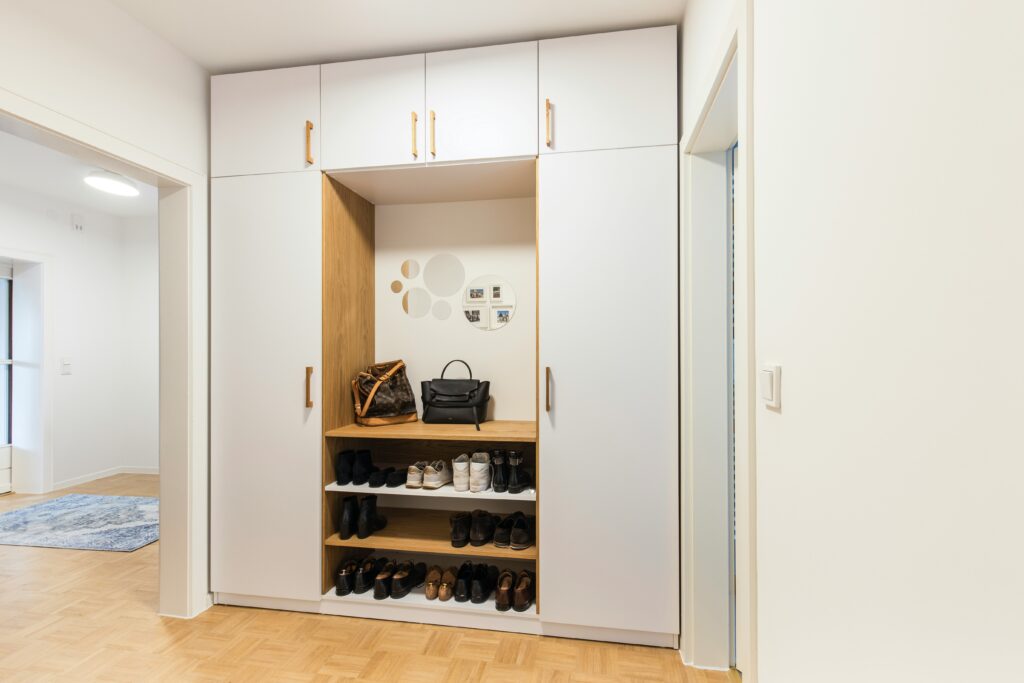
For fitted furniture, check how units meet walls, ceilings and floors. For kitchens, look at worktop joints, cabinet alignment and appliance integration. For conversions, consider whether the new room feels connected to the rest of the property.
Examples can also help you explain the finishes and design features you prefer.
How Long Will the Project Take?
Ask for a realistic timeline rather than the quickest possible completion date.
The joiner should explain:
- The expected start date
- The estimated duration
- Whether materials need to be ordered
- Which stages depend on other trades
- How long the room may be unusable
- What could cause delays
For larger work, ask for key project stages rather than a single completion date. This can help you understand what is happening and prepare for periods of disruption.
A professional joiner should also be honest about uncertainty. Weather, supplier delays and hidden issues can affect some projects, particularly structural work and conversions.
What Happens If the Work Changes?
Home improvement projects do not always remain exactly as planned.
You may decide to change a finish, add storage or include another part of the room. The joiner may also discover an issue that was not visible during the original assessment.
Before work begins, agree how these changes will be managed.
Ask whether:
- Additional work will be quoted in writing
- Your approval is needed before it proceeds
- The timeline will be updated
- Material changes can be accommodated
- New costs will be clearly explained
A clear process for variations protects both parties and prevents informal decisions from becoming unexpected charges.
What Materials Would You Recommend?
A good material recommendation should consider more than appearance.
Ask about:
- Durability
- Maintenance
- Moisture resistance
- Everyday wear
- Repairability
- Available finishes
- Suitability for the room
- Cost differences
The right material for bedroom storage may not be suitable for a utility room or another area exposed to moisture.
A knowledgeable joiner should explain the advantages and limitations of different options in straightforward language. Be cautious if a recommendation is based only on price or current trends.
How Will You Protect the Home During the Work?
Even a well-organised project can involve noise, dust and restricted access.
Ask how the joiner will:
- Protect floors and furniture
- Contain dust
- Store tools and materials
- Maintain safe access
- Remove waste
- Leave the site each day
- Secure the property when unattended
For kitchen projects, ask how long you may be without water, cooking facilities or appliances. For larger conversions, clarify which parts of the home workers will need to access.
Knowing this in advance allows you to make practical arrangements and reduces stress once work starts.

What Payment Schedule Do You Use?
Discuss payment terms before accepting the quotation.
Ask:
- Whether a deposit is required
- When staged payments are due
- What each payment relates to
- When the final balance is payable
- Whether invoices or receipts are supplied
- How additional costs will be handled
The payment schedule should reflect the size and progress of the project.
Make sure the agreed price, payment dates and scope are recorded clearly. Avoid making assumptions based on informal conversations.
What Warning Signs Should I Look For?
Be cautious if a joiner:
- Avoids visiting the property for a complex job
- Provides a vague quotation
- Cannot explain what is included
- Pressures you into making a quick decision
- Gives unrealistic completion times
- Cannot show relevant examples
- Avoids discussing additional costs
- Communicates inconsistently
- Will not confirm details in writing
The cheapest quote is not necessarily the best value. A lower price may exclude preparation, materials, waste removal, finishing or trade coordination that another quotation includes.
Compare the complete scope rather than the headline figure.
Frequently Asked Questions
What Should I Ask During the First Site Visit?
Ask how the joiner would approach the work, what preparation is required, which materials they recommend and whether other trades will be needed. You should also discuss the quotation, timeline and possible disruption.
Should a Joiner Provide a Written Quote?
Yes, a written quotation is advisable for any substantial project. It should explain the scope, price, materials, exclusions and payment terms.
Should I Buy Materials Before Speaking to a Joiner?
It is usually better to speak to the joiner first. They can confirm measurements, compatibility, preparation requirements and whether the materials are suitable.
Can a Joiner Arrange Plumbers and Electricians?
Some joiners coordinate all the trades required for a renovation, while others provide joinery only. Ask who will arrange, manage and pay each contractor before the project starts.
How Do I Know Whether a Joiner Is Right for My Project?
Look for relevant experience, clear communication, a detailed quotation and a practical understanding of the full job. The joiner should answer questions clearly without pressuring you.
Start Your Project With the Right Information
Knowing what to ask before hiring a joiner helps you compare quotations, understand responsibilities and avoid preventable misunderstandings.
Take notes during the initial visit and ask for clarification before accepting the work. A reliable joiner should be comfortable explaining the process, possible challenges and next steps.
Maxwell Joinery provides a range of joinery and home improvement services, including kitchen installations, fitted storage and home conversions.