A garden upgrade should improve how a space works, not just how it looks. The way boundaries are positioned, how levels are introduced, and how privacy is managed all play a part in whether the space feels complete or like something that has been added without proper planning.
When these elements are planned together, the result is usually more structured and easier to use. The layout flows better, seating areas feel more intentional, and the space sits naturally with the property rather than feeling separate from it.
This is especially important when planning fencing and decking in Bonnyrigg, where local regulations around height, privacy, and overlooking can directly affect what is legally permitted. Even small changes to levels or positioning can impact compliance, which is why getting it right early helps avoid issues later on.
How Do You Choose the Right Materials for Long-Term Use?
Material choice should reflect both appearance and long-term maintenance expectations. What works best will often depend on the exposure of your garden, how the space is used, and how much upkeep you are prepared to manage over time.
Timber Decking & Fencing
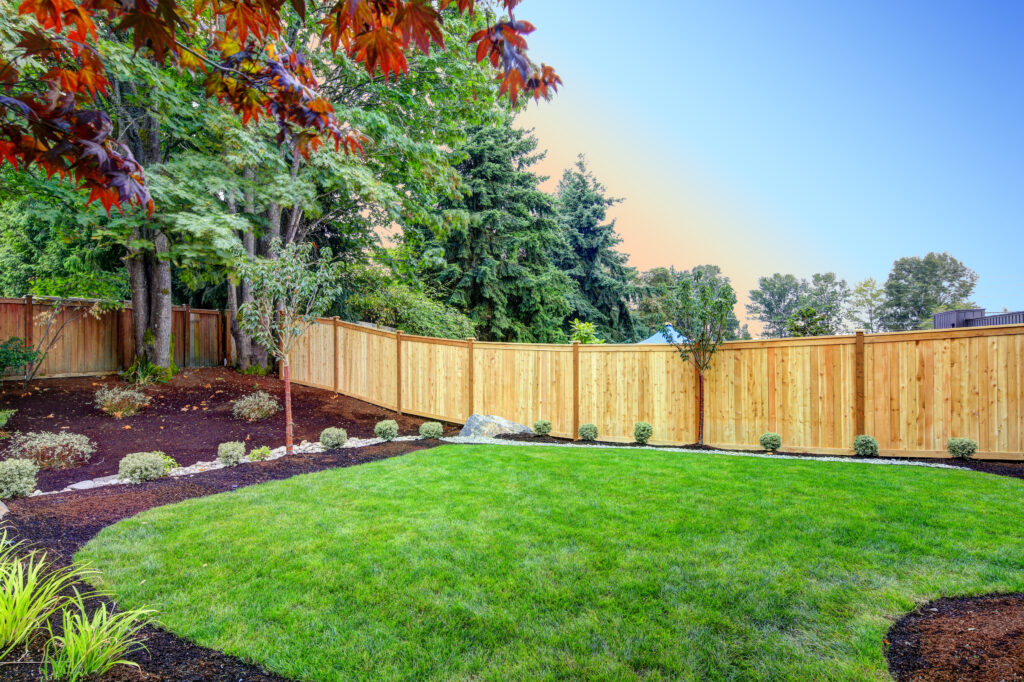
Timber decking and wood fence options offer a natural, traditional finish.
They are suitable when:
- A classic appearance is preferred
- You are happy to carry out regular maintenance
- A more natural material fits the surrounding space
Composite Options
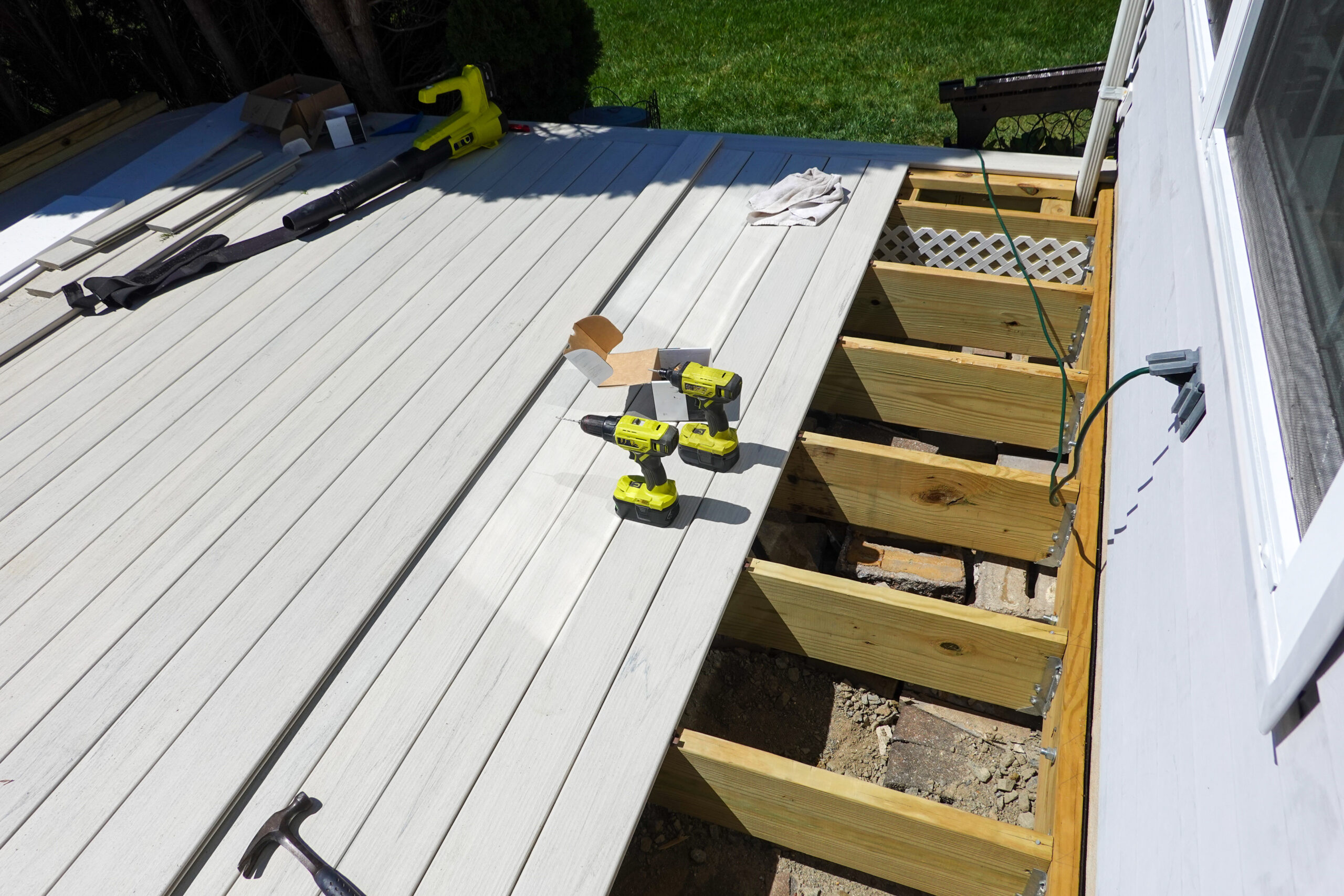
Composite decking boards and composite fencing are often chosen for durability and consistency.
They are beneficial because:
- They require less ongoing maintenance
- They perform well in exposed conditions
- They retain their appearance over time
Higher-end options, such as Trex decking, are typically used where long-term performance is a priority.
If you are unsure which material is right for your space, getting professional advice can help you decide based on your layout, ground conditions, and how the area will be used.
What Types of Fencing Work Best in Exposed Areas Like Midlothian?
Material choice is not just about appearance; it also affects durability.
In Midlothian, weather exposure is a real factor. Local contractors are often called out for storm-related fence damage, particularly after high winds.
To reduce this risk, stronger systems are often recommended.
This may include:
- Reinforced posts, such as DuraPost systems
- Deeper post installation
- More secure fixings between panels
Choosing the right materials, such as composite fencing or a well-installed wood fence, can make a significant difference in how well the structure performs over time.
What Local Factors Should Be Considered Before Installing Your Fence
Planning fencing and decking properly is not just about layout; it is about understanding how the space interacts with its surroundings.
In areas like Bonnyrigg, local conditions and planning expectations play a significant role in what is suitable. Privacy between properties is taken seriously, and even well-built installations can run into issues if these factors are not considered early.
How Do Changes in Levels Affect the Design?
Changes in height are one of the most common causes of issues.
This is especially relevant when:
- Decking is raised above ground level
- Ground levels are altered to create a flat surface
- Sloped gardens are levelled out
In these cases:
- The visible height of the structure increases
- Boundary fencing can appear lower than intended
- The overall impact on neighbouring properties becomes more noticeable
Why Is Overlooking Such a Key Consideration?
Privacy between properties is a major factor in how developments are assessed.
There have been cases in Bonnyrigg, including areas such as Otterburn Gardens, where decking has been removed after installation because it created direct views into neighbouring homes.
This can happen when:
- Raised decking changes sightlines
- Fence height is reduced in relation to the new level
- Seating areas overlook nearby windows or gardens
Even when the work itself is well built, these factors can still lead to issues.
Proportion is one of the clearest indicators of quality.
A well-balanced media wall:
- Fits the scale of the room
- Does not overpower the surrounding space
- Keeps shelving and storage visually balanced
This is what makes the design feel built-in rather than added on.
What Are the Key Decking Guidelines in Scotland?
Decking is often assumed to fall under permitted development, but this depends on how it is designed.
According to MyGov Scotland:
- Decking may not require permission if it is below 0.5 metres in height
- The overall impact on neighbouring properties must still be considered
In practical terms:
- A low deck in a flat garden may be acceptable
- The same design on a slope may require approval
- Raising ground levels can affect how height is measured
Before choosing finishes, you need to define how the wall will function day to day.
Key considerations include:
- Hidden Storage Needs
For keeping devices and clutter out of sight - Open Shelving Use
For display, styling or accessibility - Fireplace Integration
If the goal is to create a stronger feature wall - Device Planning
For consoles, speakers or streaming equipment - Future Flexibility
So the setup still works as technology changes
How Do Fence Height & Boundaries Come Into Play?
Fence height is not just a fixed rule, it depends on how the space is set out.
General guidance suggests:
- Up to 2 metres for rear garden fencing
- Around 1 metre for front boundaries
However, this can vary depending on:
- Changes in ground level
- Proximity to neighbouring properties
- How visible the structure is within the surrounding area
Local authorities assess fencing based on its overall impact, not just its measurement.
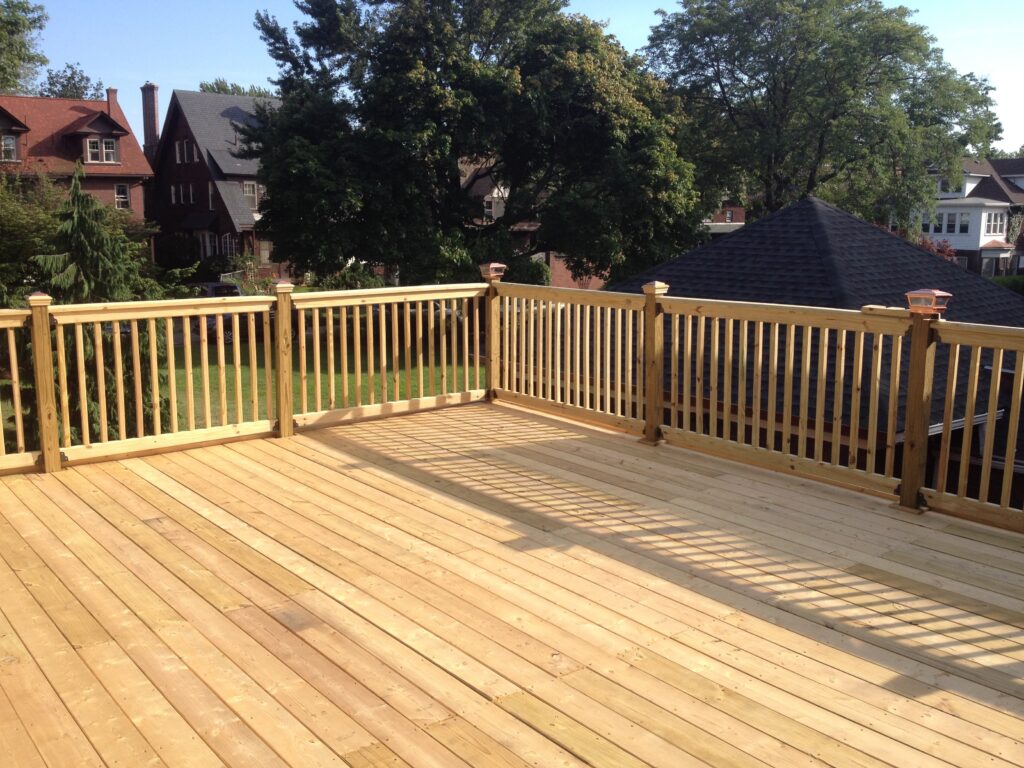
What Should a Well-Planned Setup Actually Look Like?
Understanding how all these factors come together is often easier when looking at real examples.
Seeing how fencing, levels, and decking are combined in practice can help you avoid common mistakes and make more confident decisions.
Ready to Plan Your Fencing and Decking the Right Way?
Fencing and decking should feel like a natural part of your home, not something added afterwards. When planned properly, they improve both how the space looks and how it functions, while avoiding issues that can arise later.
At Maxwell Joinery, every project is approached with layout, materials, and local conditions in mind. This ensures the final result not only looks right but also works within the constraints of the space.
If you are unsure how these considerations apply to your garden, getting advice early can make the process much smoother.